Korean Bibimbap
Uitgelicht onder: Favoriete wereldwijde voedselinspiratie
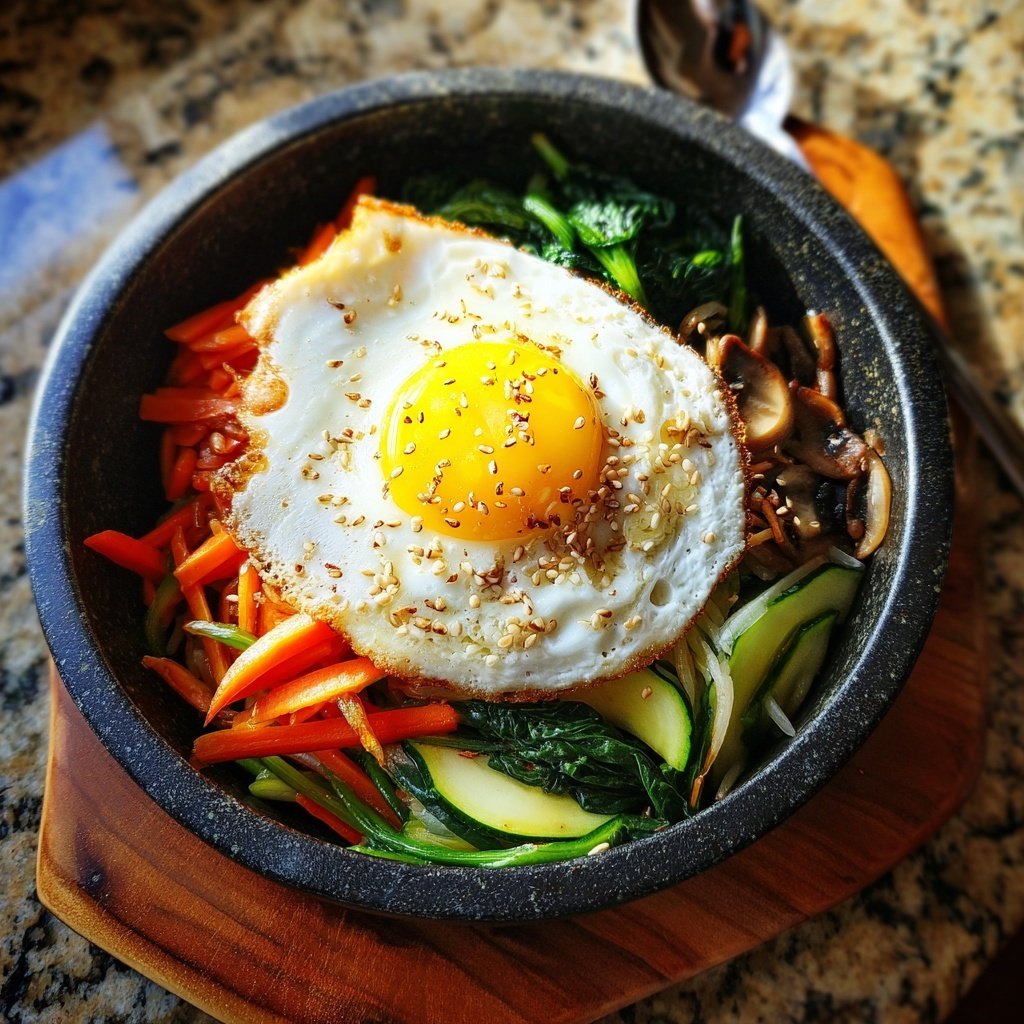
Korean Bibimbap is a vibrant and nutritious dish that combines a variety of vegetables, protein, and rice, all topped with a fried egg and spicy gochujang sauce.
Discover the rich flavors of Korean cuisine with this traditional Bibimbap recipe. A colorful medley of vegetables and savory toppings makes it a delightful meal for any occasion.
Why You Will Love This Recipe
- A colorful and nutritious meal that's as pleasing to the eye as it is to the palate
- Versatile and customizable with your choice of proteins and vegetables
- Perfectly balanced with a spicy kick from the gochujang sauce
The Essence of Bibimbap
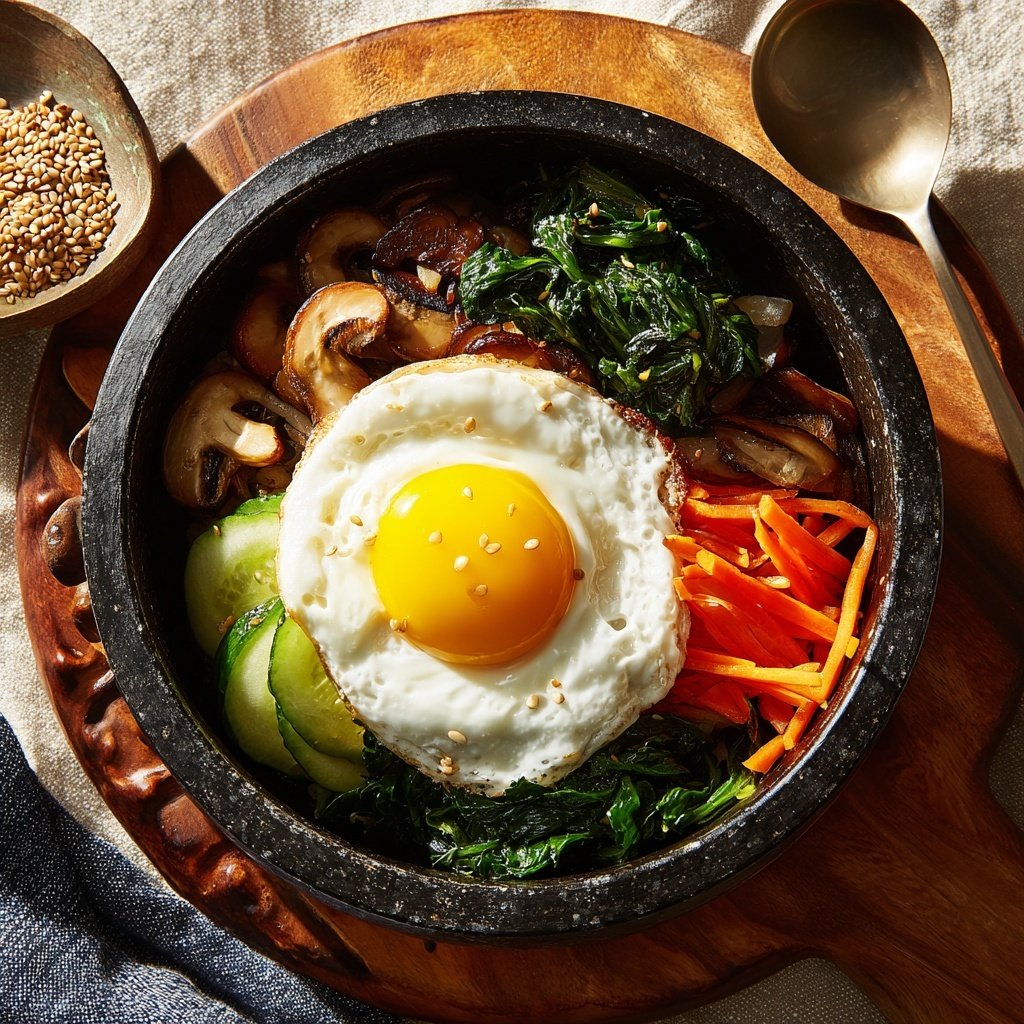
Bibimbap is more than just a meal; it’s a celebration of flavors and textures that reflect Korean culinary traditions. The name itself means 'mixed rice,' which perfectly captures the essence of this dish. Each ingredient is carefully selected not only for its nutritional value but also for its vibrant color, making each bowl a feast for the eyes. From the earthy mushrooms to the bright orange of carrots, bibimbap is a visual delight that invites you to dig in.
Traditionally, bibimbap is served in a hot stone bowl, known as dolsot, which helps to create a crispy layer of rice at the bottom. This method not only enhances the flavor but also adds a delightful crunch to each bite. Whether enjoyed at home or in a restaurant, bibimbap is a dish that brings people together, encouraging communal dining and sharing.
Nutritional Benefits
Korean Bibimbap is a powerhouse of nutrition, offering a balanced mix of carbohydrates, proteins, and vitamins. The base of short-grain rice provides energy, while the variety of vegetables contributes essential vitamins and minerals. Spinach, for instance, is high in iron, whereas bean sprouts are a good source of antioxidants. This combination not only fuels your body but also supports overall well-being.
Adding protein to your bibimbap can further enhance its health benefits. Options such as grilled chicken, beef, or tofu can be included, allowing you to customize the dish to fit your dietary preferences. The inclusion of a fried egg not only adds richness but also brings in healthy fats and additional protein, making this meal satisfying and wholesome.
Tips for Customization
One of the best aspects of bibimbap is its versatility. You can easily adapt this recipe to suit your taste or dietary needs. Feel free to swap out vegetables based on what you have on hand or what’s in season. Common alternatives include radishes, broccoli, or even sweet potatoes, allowing you to create a unique version each time you make it.
If you prefer a milder flavor, adjust the amount of gochujang to your liking or try mixing it with a bit of honey or sugar for a sweet-spicy balance. Additionally, you can experiment with various proteins, such as bulgogi or shrimp, to find your perfect combination. The key is to have fun and make it your own!
Ingredients
For the Bibimbap
- 2 cups cooked short-grain rice
- 1 cup spinach, blanched
- 1 cup bean sprouts, blanched
- 1 medium carrot, julienned
- 1 zucchini, julienned
- 1 cup shiitake mushrooms, sliced
- 4 eggs
- 4 tablespoons gochujang (Korean chili paste)
- Soy sauce, to taste
- Sesame oil, to taste
- Sesame seeds, for garnish
Instructions
Prepare the Vegetables
In a pan, sauté the zucchini and carrots separately until tender. In another pan, cook the shiitake mushrooms until they are golden brown. Set all vegetables aside.
Fry the Eggs
In the same pan, fry the eggs sunny-side up until the whites are set but the yolks are still runny.
Assemble the Bibimbap
In a large bowl, place a serving of cooked rice. Arrange the blanched spinach, bean sprouts, sautéed carrots, zucchini, and mushrooms on top. Add the fried egg in the center.
Add the Sauce
Drizzle gochujang and sesame oil over the top. Season with soy sauce to taste.
Garnish and Serve
Sprinkle sesame seeds on top and serve immediately, mixing the ingredients together before eating.
Professionele Tips
- Feel free to customize Bibimbap with your favorite vegetables or proteins like beef, chicken, or tofu.
Storage and Reheating
Bibimbap is best enjoyed fresh, but if you have leftovers, they can be stored in an airtight container in the refrigerator for up to three days. To keep the vegetables crisp, it’s advisable to store the gochujang sauce separately. When reheating, you can use a microwave, but for the best texture, consider using a skillet to reheat the rice and vegetables over low heat.
When you reheat bibimbap, add a splash of water or sesame oil to help maintain moisture and enhance flavor. If you're using a fried egg, it's best to cook a new one while reheating to ensure it has that perfect runny yolk that makes bibimbap so delightful.
Serving Suggestions
Korean Bibimbap is delightful on its own but can be complemented with various side dishes known as banchan. Serving kimchi, pickled vegetables, or a fresh cucumber salad alongside your bibimbap can elevate the dining experience. These side dishes add another layer of flavor and texture, making your meal even more enjoyable.
For a complete Korean meal, pair your bibimbap with a warm bowl of miso soup or a refreshing Korean beverage, such as shikhye (sweet rice drink) or iced barley tea. These additions will round out your meal, making it a feast that celebrates the rich and diverse flavors of Korean cuisine.
Vragen Over Recepten
→ Can I use brown rice instead of white rice?
Yes, brown rice can be used, but cooking time may vary slightly.
→ Is Bibimbap spicy?
Bibimbap can be spicy depending on the amount of gochujang used. Adjust to your taste.
→ Can I make this dish vegan?
Absolutely! Omit the egg and use tofu or more vegetables for protein.
→ How can I store leftovers?
Store leftovers in an airtight container in the fridge for up to 3 days. Reheat before serving.
Korean Bibimbap
Gemaakt door: Bryony Wells
Recepttype: Favoriete wereldwijde voedselinspiratie
Vaardigheidsniveau: Intermediate
Eindportie: 4 servings
Wat je Nodig Hebt
For the Bibimbap
- 2 cups cooked short-grain rice
- 1 cup spinach, blanched
- 1 cup bean sprouts, blanched
- 1 medium carrot, julienned
- 1 zucchini, julienned
- 1 cup shiitake mushrooms, sliced
- 4 eggs
- 4 tablespoons gochujang (Korean chili paste)
- Soy sauce, to taste
- Sesame oil, to taste
- Sesame seeds, for garnish
Stappen
In a pan, sauté the zucchini and carrots separately until tender. In another pan, cook the shiitake mushrooms until they are golden brown. Set all vegetables aside.
In the same pan, fry the eggs sunny-side up until the whites are set but the yolks are still runny.
In a large bowl, place a serving of cooked rice. Arrange the blanched spinach, bean sprouts, sautéed carrots, zucchini, and mushrooms on top. Add the fried egg in the center.
Drizzle gochujang and sesame oil over the top. Season with soy sauce to taste.
Sprinkle sesame seeds on top and serve immediately, mixing the ingredients together before eating.
Extra Tips
- Feel free to customize Bibimbap with your favorite vegetables or proteins like beef, chicken, or tofu.
Voedingswaarde (Per Portie)
- Calories: 500 kcal
- Total Fat: 20g
- Saturated Fat: 6g
- Cholesterol: 186mg
- Sodium: 600mg
- Total Carbohydrates: 65g
- Dietary Fiber: 5g
- Sugars: 5g
- Protein: 18g